In this blog we’re looking at the importance of Automatic Opening Vents (AOVs), how they can help save lives during a fire and the vital role they play in helping the emergency services respond safely and effectively.
At Paul Evans Architectural, we take great pride in the role our products can play in modern building safety. Automatic Opening Vents are much more than another component of a building. When correctly designed and installed as part of a smoke control system, they can make an enormous difference during a fire.
What is an Automatic Opening Vent?
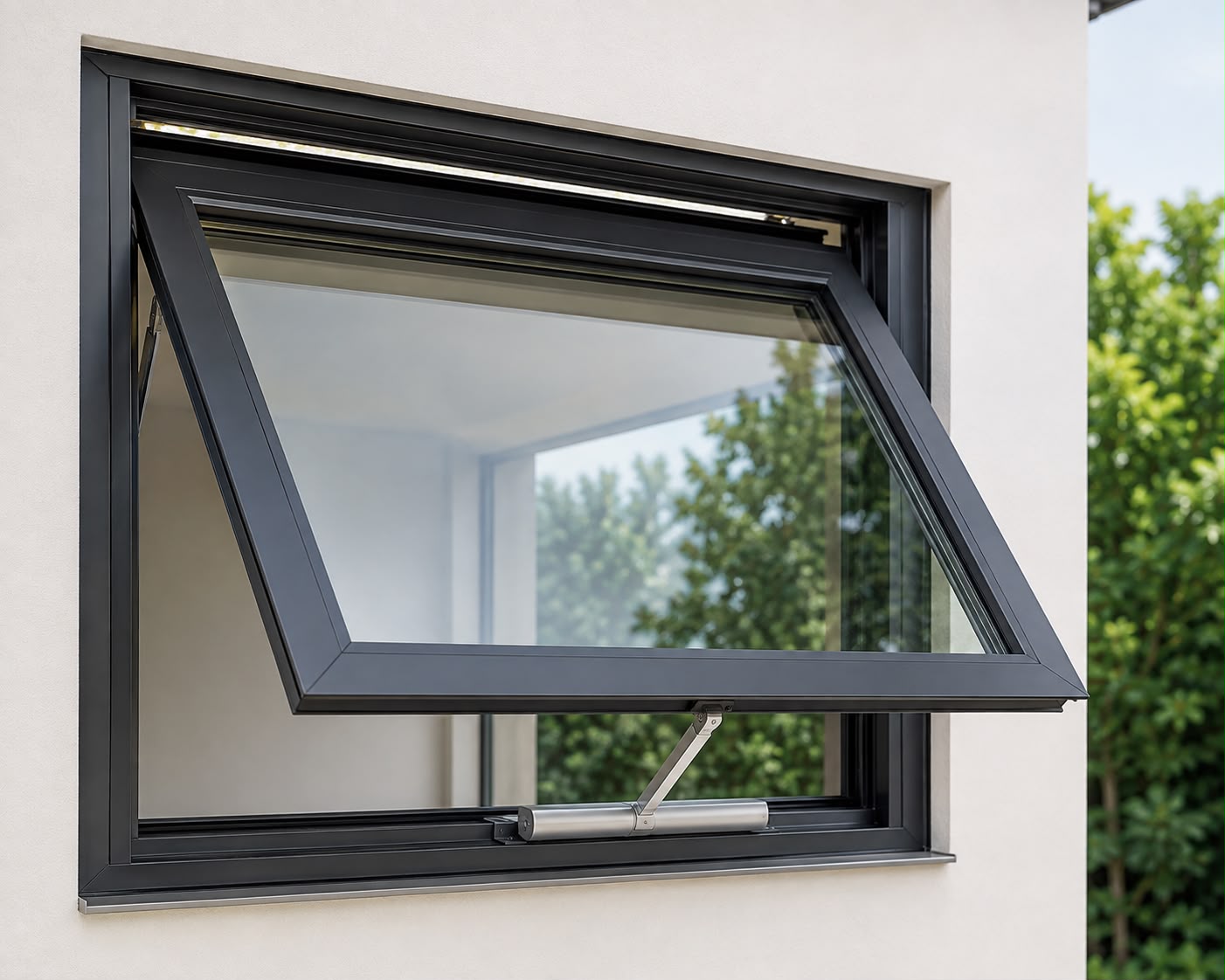
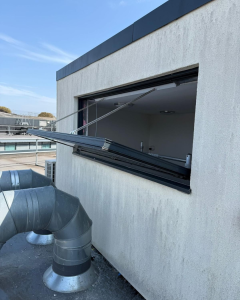
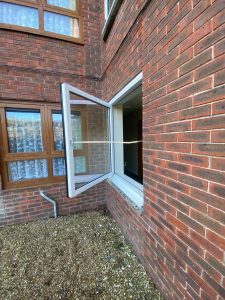
An Automatic Opening Vent, commonly known as an AOV, is a ventilation opening that forms part of a building’s smoke control system.
In the event of a fire, smoke and hot gases can quickly accumulate inside a building. An AOV system is designed to respond automatically when activated by the building’s fire or smoke control system, opening designated windows or vents to allow smoke and heat to escape.
This can help keep escape routes clearer for occupants while also improving conditions for firefighters and other emergency services entering the building.
Why is Smoke So Dangerous?
When we think about a building fire, our immediate thought is often the flames. However, smoke and toxic gases can pose an extremely serious threat to life.
Smoke can spread rapidly through corridors, stairwells and communal areas, dramatically reducing visibility and making it much harder for people to find their way to safety.
It can also make conditions increasingly dangerous for emergency services attempting to enter and navigate the building.
An effective smoke ventilation system helps manage this by allowing smoke and hot gases to escape through designated openings.
How Can AOVs Help Save Lives?
One of the most important functions of an AOV system is helping to maintain safer conditions within key areas of a building during an emergency.
Helping to remove smoke and hot gases
AOVs provide an escape route for smoke and heat. Removing smoke from areas such as corridors and stairwells can help prevent these spaces from becoming completely smoke-logged.
Helping to maintain visibility
In an emergency, visibility can make an enormous difference.
By helping to clear smoke from designated escape routes, AOV systems can make it easier for occupants to see where they are going and find their way towards a safe exit.
Supporting safer evacuation
Clearer corridors and stairwells can provide occupants with a better opportunity to evacuate the building safely.
This can be particularly important in larger residential developments, apartment buildings and other multi-storey properties where communal areas may form an essential part of the building’s fire safety strategy.
Helping to control heat
Smoke ventilation can also help release some of the hot gases generated by a fire. This can help improve conditions within designated areas of the building and support the wider fire safety strategy.
Why Are AOVs Important for the Emergency Services?
AOV systems don’t just help the people trying to leave a building. They can also play an important role in helping firefighters and other emergency services get inside.
Firefighters may need to enter a building where visibility is extremely poor, temperatures are rising and occupants may still require assistance.
Effective smoke ventilation can help improve those conditions.
Improved visibility for firefighters
Removing smoke from corridors, stairwells and other designated areas can help firefighters see their surroundings more clearly and navigate the building more effectively.
Supporting search and rescue
Better visibility can also support emergency teams carrying out searches of a building.
Being able to navigate rooms and communal areas more effectively can help firefighters identify people who may still require assistance and check areas of the building during their response.
Providing clearer access routes
Stairwells and corridors are often essential access routes for emergency services. Smoke control systems can help keep these areas more tenable, supporting firefighters as they move through the building.
AOVs Are an Important Part of the Overall Fire Safety Strategy
AOVs should never be considered in isolation.
They form part of a wider smoke control and fire safety strategy, which may include fire detection systems, alarms, fire doors, escape routes and other passive and active fire protection measures.
The design, manufacture, installation and operation of an AOV system therefore need to be carefully considered to ensure the system performs as intended when it is needed most.
At Paul Evans Architectural, we understand the importance of quality, reliability and compliance when manufacturing products intended for smoke ventilation applications.
When an emergency happens, there is no room for uncertainty. These systems need to perform correctly.
Come back next week when we’ll explore the compliance requirements surrounding AOVs, what manufacturers need to consider and why those standards are so important for building safety.
Need to discuss an architectural aluminium or AOV project?
Get in touch with the team at Paul Evans Architectural to discuss your requirements.